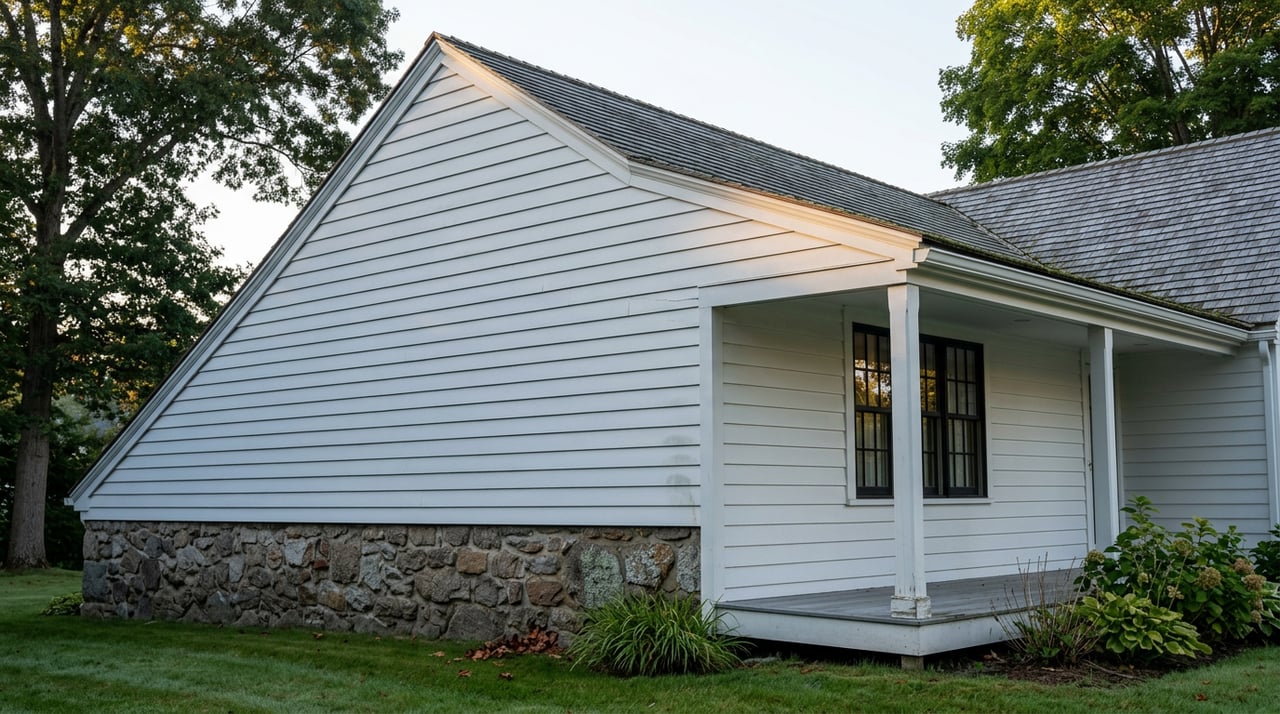
What's Happening in Plainfield NH: Town Hall Grant & NHPBS
September 3, 2026
September 3, 2026
Drive down Route 12A into Plainfield Village on a weekday afternoon and the old Town Hall sits exactly where it always has, waiting for the next committee meeting or the next rental booking to give it a reason to open its doors. Cross town to Meriden, where the actual Town Office and the Select Board's regular meetings are based, and Main Street runs past Kimball Union Academy's campus toward the Post Office, the kind of street that looks finished at a glance.
This summer, both of those unremarkable facts stopped being unremarkable. The Town Hall secured outside funding for preservation work. And the town's own website confirmed that a public television crew is coming to ask residents to explain, on camera, what makes Plainfield Plainfield. Neither event is loud. Together they're the most attention this town has gotten in a while, and the reason has nothing to do with growth, a development fight, or a crisis. It's closer to the opposite: a committee that's been patient since 2021, and a producer's email that a handful of towns down the road already answered.
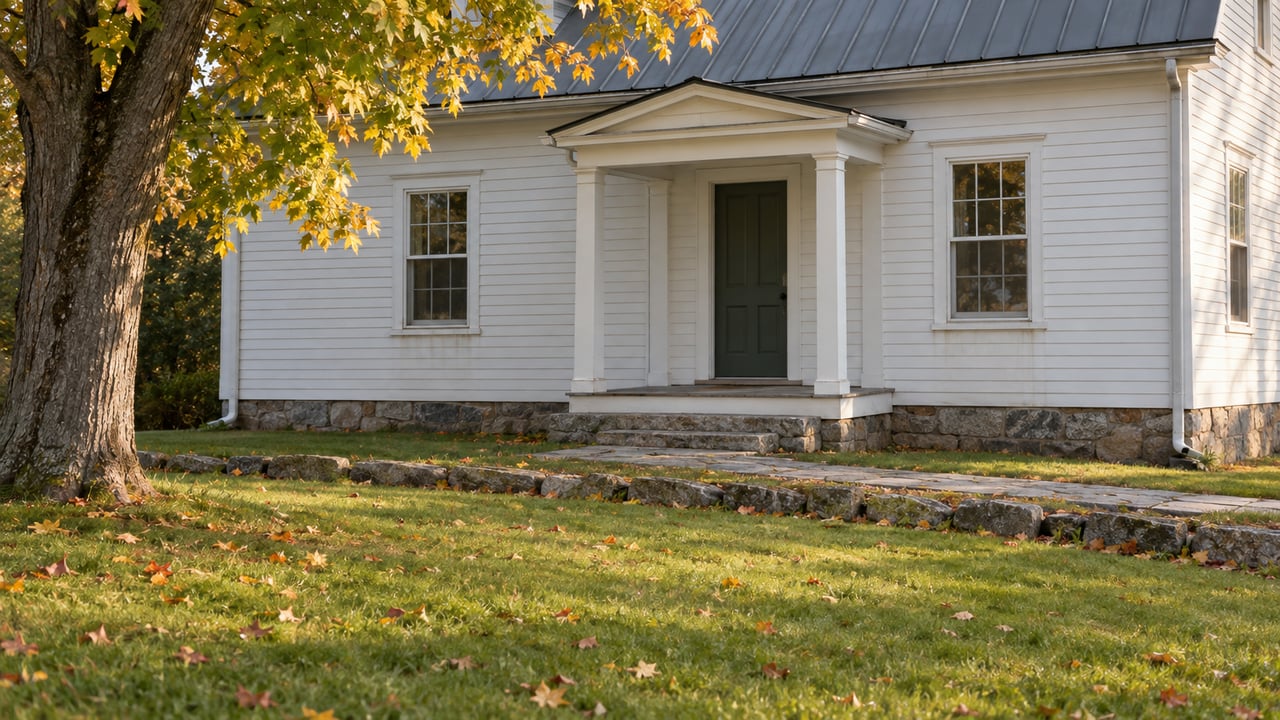
The Plainfield Village Town Hall Committee, appointed by the Selectboard back in 2021, announced this summer that it landed a $125,000 match grant to fund preservation work, repairs, and upgrades to the Village Town Hall. The grant is tied to a specific building and did not require a warrant article or a Town Meeting floor debate.
That matters more than it sounds like it should. This is a town that runs its budgets through Town Meeting ballots and school district votes with, in a typical cycle, no contested races and a budget that inches up by tens of thousands of dollars at a time. A match grant is a different kind of money. It means somebody outside Plainfield decided the building was worth funding too, which is an additional kind of support for the building.
A committee that spends five years on a building nobody was forcing anyone to save is not chasing a deadline. It's chasing a specific kind of patience that small-town preservation requires and that most towns don't have the staffing to sustain.
The second thread is stranger, because it isn't about a building at all. NHPBS's Our Hometown series, hosted by New Hampshire author and storyteller Rebecca Rule, has spent the past several years working through the state's 221 towns and 13 cities one at a time, and Plainfield's own town website now lists the series as coming here. The format is consistent wherever it's landed: a 30-minute episode built entirely from residents telling their own stories about the town's culture, commerce, history, and people, recorded and archived online at nhpbs.org/hometown, with the invitation to participate going out through a simple email address, [email protected].
Towns that have already gone through the process show what the show actually collects. Warner's episode pulled together folk singers, maple syrup makers, and a lavender field into a half-hour that leaned on the town's own description of itself as a place where something is always happening. Plymouth's episode leaned into its identity as a college town, built around people who chose to stay after arriving for school. Conway's episode found forty-five separate stories and could only fit a fraction of them into the broadcast, with the rest archived permanently online.
If Plainfield follows that same pattern, the interesting part isn't the broadcast. It's the accumulation of small, specific, first-person accounts that a town this size doesn't usually get asked for, and that no listing description or town profile page will ever replicate.
| What's happening | Where | Status as of late August 2026 |
|---|---|---|
| Village Town Hall preservation | Plainfield Village | Funded, $125,000 match grant secured |
| Our Hometown episode | Townwide | Confirmed coming, residents can submit stories now |
| Main Street drainage and culvert work | Meriden Village, near KUA | Completed, ran July 20 through August 7 |
While the grant and the TV crew were both still stories in progress, the New Hampshire Department of Transportation was finishing something far less photogenic. NHDOT ran a drainage improvement project on Main Street in Meriden between Kimball Union Academy's Miller Bicentennial Hall and the intersection with Campus Center Drive, addressing what the agency described as long-standing drainage problems with new stormwater management, replacement culverts, and catch basins. Work ran from July 20 through roughly August 7, scheduled between 6 a.m. and 5 p.m., with through truck traffic rerouted onto Stage Road while local traffic and access to the Meriden Post Office stayed open on both sides of the closure.
By the time the storytellers' emails started going out and the grant announcement hit the town website, the drainage crews were already gone. That timing is worth noticing on its own. The unglamorous infrastructure fix that actually keeps Main Street from flooding during the next hard rain finished quietly, weeks before anyone was asking residents to talk about what makes the town worth living in. The parts of a town that get preserved on camera and the parts that get preserved underground rarely run on the same calendar, and this summer they happened to overlap without anyone planning it that way.
Kimball Union Academy is a private high school, not a public one, but the town's own materials describe a relationship with Plainfield going back generations, and note that many of the Academy's events are open to the public. That distinction matters for anyone trying to understand what an Our Hometown episode about this town might actually capture. Plymouth's episode, built around Plymouth State University, leaned on residents who came for the college and stayed for the town. If Plainfield's episode follows a similar thread, KUA's public-facing campus events are the kind of texture the format tends to look for: not the school itself, but the way a private institution's open doors shape what daily life looks like in a town this size.
None of this happened because Plainfield grew, or because a business closed, or because a crisis forced a response. A committee filed for a grant it had been quietly building a case for since 2021. A television producer sent an email that a dozen other towns had already answered. A state agency fixed a drainage problem that had been failing for long enough to earn the word long-standing in an official notice. None of it is dramatic. All of it is the kind of attention a town this size almost never gets in the same season, and none of it required anything going wrong first.
That's the part worth sitting with if you live here. The version of Plainfield that ends up preserved, whether in a repaired Town Hall or a thirty-minute broadcast, is being decided right now by people answering emails and filing grant paperwork, not by anything anyone would call news.
If you're the kind of person who wants to understand a town at this level of detail before deciding whether it's home, that's exactly the work Lori Shipulski and LIVE UV LIFE do for the Upper Valley, one town at a time. Our Plainfield neighborhood guide has more on what makes this town what it is, and if you're curious what a home in either village might be worth in the current market, a free home valuation is always here when you're ready to look.
Stay up to date on the latest real estate trends.

Whether you’re ready to make a move or just starting to explore your options, I’m here to guide you every step of the way. Let’s chat about your goals, answer your questions, and create a clear path forward — no pressure, just honest support from someone who cares.
Get In Touch With Lori To Learn More
5 Allen St Ste 1 Hanover NH 03755