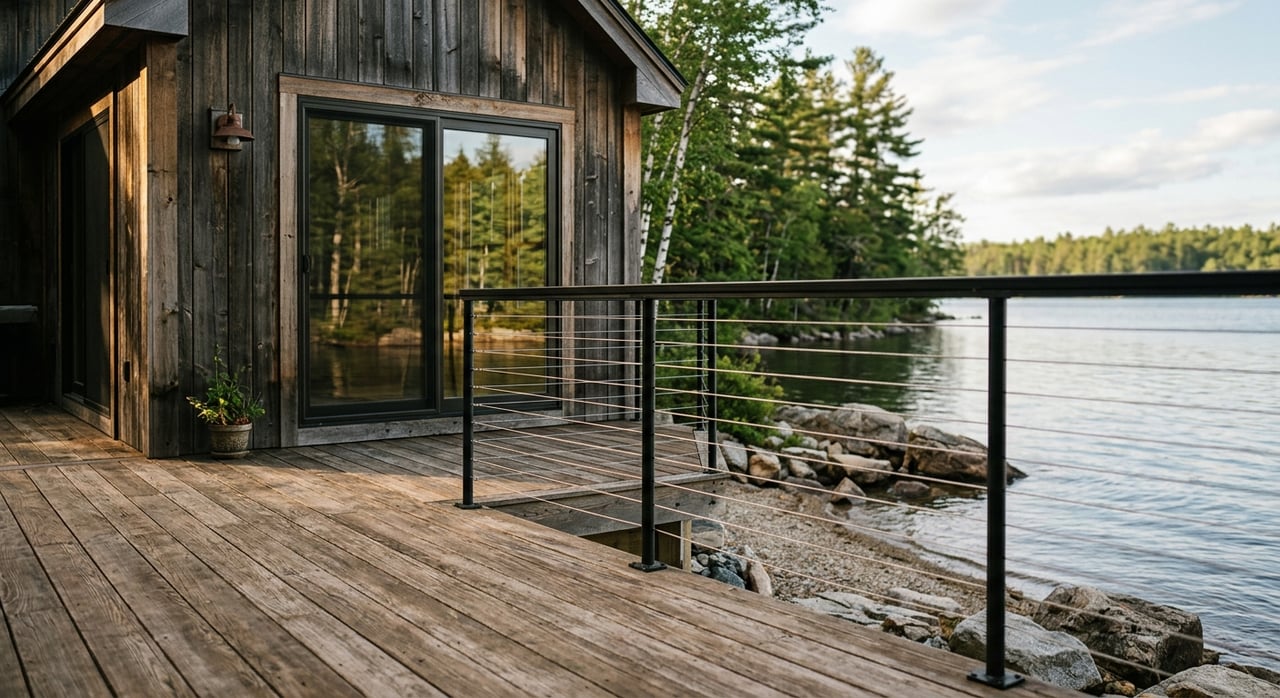
Mascoma Lake Homes in Enfield NH: What Buyers Should Know
July 9, 2026
July 9, 2026
If you are dreaming about lake life without giving up everyday convenience, Mascoma Lake in Enfield may deserve a closer look. This part of the Upper Valley offers a mix of shoreline living, outdoor recreation, and a location that keeps Lebanon and Hanover within an easy drive. If you are thinking about buying here, it helps to understand how the lake, the homes, and the local rules all fit together. Let’s dive in.
Mascoma Lake is closely tied to Enfield’s identity. According to the town, Enfield has about 4,600 residents, more than 3,000 acres of conserved land, and more than 15 miles of shoreland, which helps explain why outdoor living is such a big part of life here.
For many buyers, the appeal is not just the water. Enfield also offers practical access to the rest of the Upper Valley, with Lebanon and Hanover about 10 to 20 minutes away and I-89 plus Routes 4 and 4A serving as key travel routes.
That combination can be hard to find. You get a lake-centered setting with a small-town feel, while still staying connected to work, shopping, and regional services.
Summer is when Mascoma Lake really shines. The town lists Shakoma Beach, Mascoma Lakeside Park, and the Mascoma Lake Boat Launch as public lake facilities, with beach parking on NH Route 4A opposite Main Street, the beach, and the boat launch.
That public access matters, especially if you love the lake lifestyle but are not only focused on direct waterfront property. It means you can enjoy swimming, launching a boat, or spending time by the water even if a home is nearby rather than directly on the shoreline.
A New Hampshire Department of Environmental Services watershed report describes Mascoma Lake as a place used for swimming, boating, sailing, kayaking, and canoeing. The same report notes that the lake is home to the Mascoma Sailing Club and the Dartmouth College Sailing Team.
For anglers, the report also says Mascoma Lake and the upper Mascoma River are stocked with eastern brook trout, rainbow trout, brown trout, and occasional landlocked salmon. If your ideal home search includes access to outdoor hobbies, that is an important part of the picture.
Lake living here is not only about being on the water. The same state report says roads adjoining the lake are designated bicycle routes, and part of the Northern Rail Trail runs along the eastern and northern shores of Mascoma Lake.
That adds another layer of lifestyle value. You may find this area appealing if you want easy access to walking, biking, and trail time along with the lake itself.
Mascoma Lake did not begin as a modern planned lake community. The Mascoma Lake Association says a simple camp was first permitted on Point Comfort in the 1880s, and over time camps and families spread around the eastern and southern shore.
Enfield’s heritage information adds that many of those camps later became year-round homes. It also notes that some former lakefront hotel, motel, and lodge properties were converted into private homes or apartments.
For buyers, that history helps explain the mix you may see in the market today. Instead of rows of similar subdivision homes, you are more likely to find a blend of older cottages or camps, updated year-round single-family homes, and a limited number of redevelopment or infill opportunities.
The town’s zoning ordinance identifies an R1 Residential District for Enfield Village and Mascoma Lake. Lake-adjacent parcels are also subject to shoreline setbacks and other dimensional requirements.
That means the land around the lake is shaped by both history and regulation. In practical terms, this can affect where additions can go, how close structures can sit to the water, and what may be possible on a given lot.
As of the March 10, 2026 vote, Enfield’s proposed zoning ordinance amendment failed, so the 2025 ordinance remains the current baseline. When you are evaluating a property, current rules matter more than assumptions.
Buying near a lake often involves more moving parts than a typical in-town purchase. Before you get too attached to a property, it is smart to verify the details that can shape how you use the home.
Do not assume that being close to the water means you have private water access. A property may have public access nearby, shared access, deeded access, or no private lake rights at all.
The town confirms there is public access through facilities like the boat launch and Shakoma Beach. Still, public access is different from private rights, so you will want to confirm exactly what transfers with the property.
If a listing mentions a dock, mooring, or waterfront use, make sure those rights are clear. Buyers should confirm whether dock or mooring rights actually transfer with the sale.
This is especially important on or near the shoreline, where rights can be limited by lot lines, permits, and local or state rules. Clear answers early can prevent surprises later.
Enfield’s zoning ordinance states that no structure may be placed within 50 feet of the seasonal high water line of any river, stream, lake, public pond, or wetland. The ordinance also says no dock may be closer than 25 feet to a side lot line.
State law adds another layer. The New Hampshire Shoreland Water Quality Protection Act protects lands within 250 feet of the reference line of lakes and ponds larger than 10 acres and sets a 50-foot primary-structure setback, while allowing municipalities to be stricter.
Many lake-area homes began as seasonal camps and were later converted for year-round use. That does not make them less appealing, but it does make it important to ask the right questions.
You may want to understand the home’s history, updates, layout, and overall suitability for year-round living. A property’s origin can help explain everything from room sizes to lot layout.
Living on or near a lake also means living with shared responsibility. The Mascoma Lake Association, founded in 1923, works to protect the lake and promote responsible use through water-quality programs, milfoil control, and the Lake Host program.
That long-term stewardship is part of what many buyers appreciate about the area. It shows that lake living here is not only recreational, but also community-minded.
The association also notes that current NHDES cyanobacteria watches are lake-specific precautionary notices and do not close the waterbody to recreation. Even so, buyers should stay informed and review current lake conditions as part of their due diligence.
One of the most useful tools for lake buyers is the NHDES Lake Information Mapper. It connects you to local lake reports and data, including VLAP data, trophic surveys, TMDLs, ice-cover history, cyanobacteria history, watershed plans, and invasive-species information.
That may sound technical, but it can be very helpful when you want to understand the bigger picture. If you are comparing homes around Mascoma Lake, reviewing that information can give you better context for both the property and the waterbody.
If you are trying to figure out what can be built, changed, or approved, local boards and staff play an important role. In Enfield, the Planning Board handles subdivisions, site plan review, excavation, home occupation, and town driveways.
The Zoning Board of Adjustment hears variances, special exceptions, equitable waivers, and appeals of administrative decisions. The town also says the land-use staff and Building Inspection office can help interpret zoning questions.
For buyers, this matters because lake properties often raise questions that need clear local answers. Knowing where those answers come from can save time and reduce uncertainty.
Mascoma Lake can be a strong fit if you want a home that connects everyday living with outdoor access. You may be drawn to the area for boating, paddling, swimming, fishing, biking, trail access, or simply the feel of being near the water.
It can also appeal if you want a location with a shorter drive to Lebanon or Hanover. That blend of recreation and convenience is a big part of why buyers continue to look closely at Enfield.
At the same time, buying here usually calls for careful questions about access, rights, setbacks, and property history. When you understand those details early, you can shop with more confidence and make a more informed decision.
If you are exploring Mascoma Lake homes in Enfield and want local guidance that turns listing details into plain English, Lori Shipulski can help you navigate the options with clear, thoughtful support.
Stay up to date on the latest real estate trends.






Whether you’re ready to make a move or just starting to explore your options, I’m here to guide you every step of the way. Let’s chat about your goals, answer your questions, and create a clear path forward — no pressure, just honest support from someone who cares.
Get In Touch With Lori To Learn More

5 Allen St Ste 1 Hanover NH 03755