Lebanon NH Lifestyle Guide to Everyday Living & Housing
February 19, 2026
February 19, 2026
Thinking about moving to Lebanon, NH but not sure what daily life and housing really look like? You are not alone. Many people are drawn to Lebanon for its small-city feel, outdoor access, and connection to Dartmouth and DHMC, yet want a clear picture before they commit. In this guide, you will learn how everyday life flows, what neighborhoods feel like, and what to expect from the local housing market. Let’s dive in.
Lebanon anchors the Upper Valley with strong employment, health care, and culture. The region’s major medical hub, Dartmouth-Hitchcock Medical Center, sits right in Lebanon and draws professionals from across New England. You can find campus details at DHMC’s site at One Medical Center Drive for orientation and services: Dartmouth-Hitchcock Medical Center.
Just a short drive north, Dartmouth College in Hanover adds academic energy and arts programming that many residents enjoy. If you plan to commute or attend events, it is helpful to see where the campus sits in relation to Lebanon: Dartmouth College location overview.
The population sits around 15,389 (city estimate as of July 1, 2024), and the feel is practical and community-minded. You get a mix of health care professionals, educators, tech workers, and long-time locals who value outdoor life and a tight civic core.
Colburn Park, also called the Lebanon Green, is the downtown plaza and civic heart. It is where you will find summer concerts, community events, and gathering space right off the surrounding streets. Get a feel for the setting on the city’s page for Colburn Park.
During warmer months, the Lebanon Farmers’ Market pops up at the Green with producer-focused vendors and live music. It is an easy walk if you live in downtown apartments or nearby streets.
For performances and touring acts, the Lebanon Opera House inside City Hall is a standout cultural venue. The calendar ranges from concerts and comedy to community and school programming, so there is usually something to catch without leaving town.
If you love getting outside before or after work, you will appreciate the city’s in-town trails. The paved Mascoma River Greenway runs through downtown and links into the Northern Rail Trail, so you can bike or walk between neighborhoods, schools, and parks on a low-stress route. Local connector paths, like the short links between the Rail Trail and pools or parks, add up to a network that makes everyday movement simple.
In summer, you will see joggers, kids on bikes, and people commuting by e-bike. In winter, you will plan around snow and shorter daylight, though many still enjoy crisp walks on clear days. Weekend escapes to nearby lakes and ski areas are a common part of Upper Valley life.
Lebanon is friendly to short trips without a car. Advance Transit runs free bus service on local routes, connecting much of Lebanon, West Lebanon, and Hanover. The Red route stops near City Hall, Kilton Library in West Lebanon, and major transfer points.
If you drive, I‑89 is your main north-south artery. The West Lebanon Route 12A corridor, often called the Miracle Mile area, puts you close to big-box retail and grocery while staying minutes from downtown. Many residents choose housing based on how they split time between downtown, DHMC, and Hanover.
Housing in Lebanon falls into a few clear buckets. Neighborhood names are informal and based on what locals call different parts of town rather than strict boundaries.
You will find apartments, small multi-unit buildings, and some condos within a short walk of Colburn Park. These buildings range from older Main Street conversions to compact 1–2 bedroom units. The appeal is strong if you want walkability to the Green, the Farmers’ Market, and the Opera House.
West Lebanon features newer and garden-style apartment complexes and quick access to Route 12A retail and I‑89. It is a practical spot for commuters and those who want easy runs to grocery and everyday shopping. For a sense of the retail hub, see this overview of the West Lebanon corridor and restaurants.
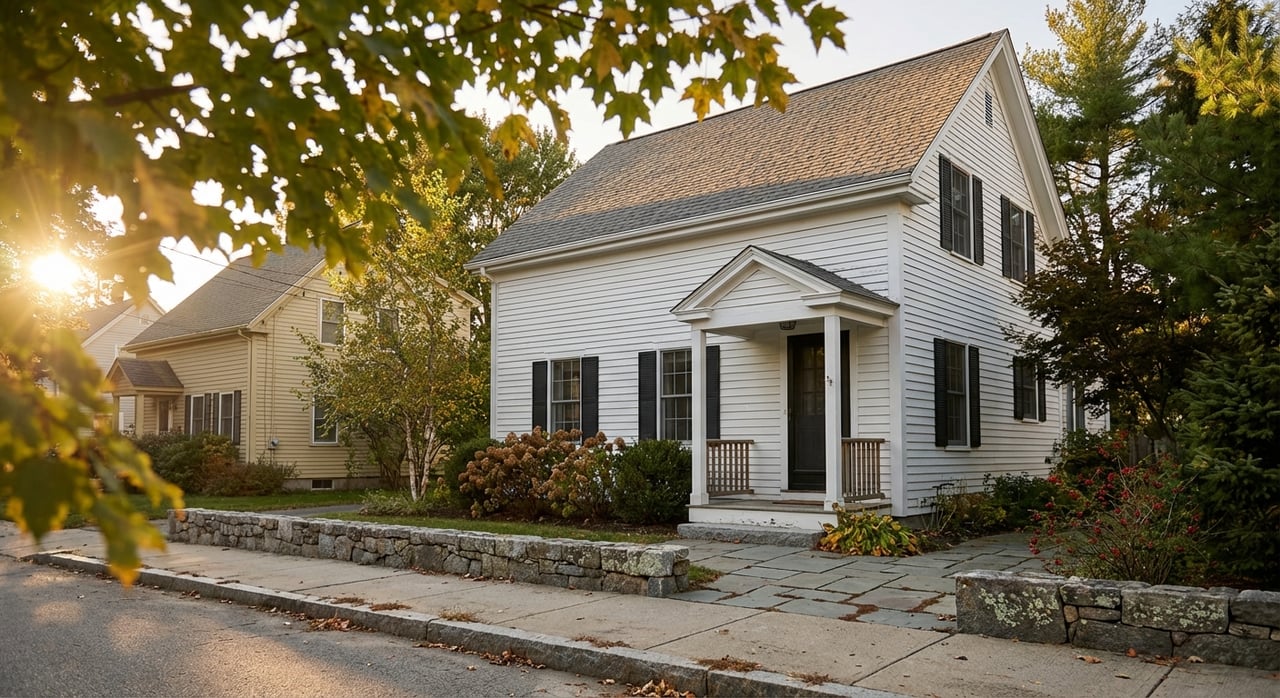
In areas like Seminary Hill and pockets near Mount Support Road and Pleasant Street, you will see single-family homes on larger lots. Styles range from classic New England houses to more recent subdivisions. The draw is yard space and quieter streets with convenient drives to DHMC and Hanover.
Closer to the medical campus you will find condo complexes and purpose-built rentals designed for clinicians and Dartmouth affiliates. These often trade larger yards for convenience and shorter commutes.
As of early 2026, many 1–2 bedroom rentals advertise around 1,500 to 2,500 dollars per month. Pricing shifts with proximity to DHMC and downtown and by building amenities, so plan to compare a few options and watch listings over a few weeks to gauge the pattern.
It helps to pair recent closed sales with current listing snapshots. A local full-year 2024 summary counted roughly 119 closed single-family sales with a median sale price near 490,000 dollars for that year. Aggregator snapshots vary by timing. As of January 2026, one showed a median near 570,000 dollars, another typical home value was around 441,000 dollars, and late-2025 reporting sat near 489,500 dollars. Treat these as directional, and always check current data at the moment you are ready to offer.
What does this mean for you? If you are targeting single-family homes, set a budget that covers a broad middle of that range, then fine-tune by neighborhood and condition. For condos and townhomes, you will often find a lower entry point and simpler maintenance, which can be helpful for busy schedules.
Public schools fall under the Lebanon School District (SAU 88), with elementary, middle, and Lebanon High School in the city. For a starting point, explore the Lebanon High School page and then branch to other district resources for program-specific details.
Lebanon’s libraries include a downtown branch and the Kilton branch in West Lebanon. Programs range from story times and tech help to a “library of things” style lending, which can include community gear like e-bikes. The recreation department and the CCBA offer pools, fitness, and seasonal classes, which many families use for after-school and weekend routines.
For health care, DHMC is the regional anchor and Alice Peck Day is another local facility. Most residents appreciate having major services nearby, which reduces travel for routine care and specialist visits.
On a warm Thursday, you might work from a cafe near the Green, walk the Mascoma River Greenway at lunch, then pick up produce and listen to live music at the Farmers’ Market in the evening. In winter, you may plan errands around daylight, then head to the Opera House for a show or catch a quick workout at a community center. On weekends, it is common to combine grocery runs on Route 12A with a trail walk or a trip to nearby lakes.
Commuting stays simple if you live near your routine. Many clinicians choose housing close to DHMC to shorten on-call nights, and those tied to Dartmouth may split time between Hanover and Lebanon depending on class or event schedules.
You should feel confident and grounded when you move to a new community. Our team blends local storytelling with professional systems to guide you from first look to closing. We help you compare neighborhoods, refine your budget with current data, and set up showings that match your lifestyle priorities. If you are selling, we bring premium marketing, staging advice, and negotiation to help you maximize results.
When you are ready, connect with Lori Shipulski for an easy first step. Whether you want to tour homes, get a neighborhood overview, or simply talk strategy, we are here to help. Get a Free Home Valuation.
Stay up to date on the latest real estate trends.

Whether you’re ready to make a move or just starting to explore your options, I’m here to guide you every step of the way. Let’s chat about your goals, answer your questions, and create a clear path forward — no pressure, just honest support from someone who cares.
Get In Touch With Lori To Learn More
5 Allen St Ste 1 Hanover NH 03755