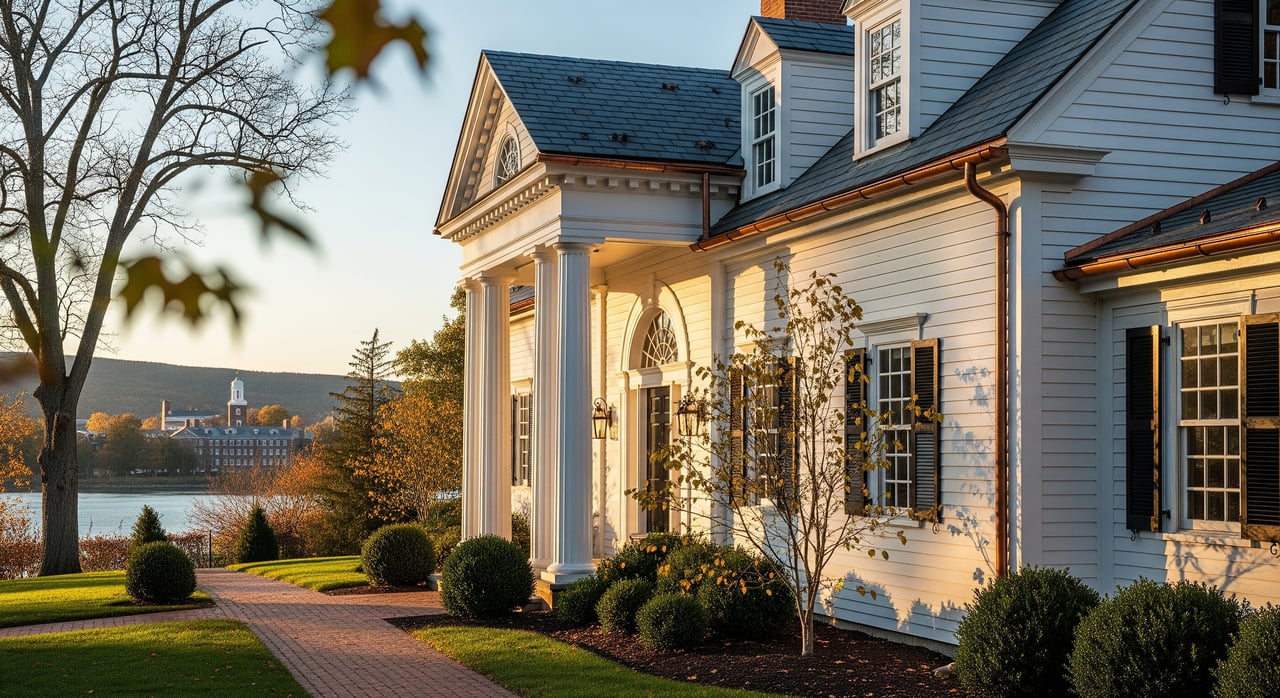
Hanover NH Dartmouth Relocation Housing Guide
February 5, 2026
February 5, 2026
Starting a new role at Dartmouth or DHMC and trying to figure out Hanover housing from afar can feel overwhelming. You want a clear plan, local context, and a timeline that fits the academic calendar. This guide gives you the basics on housing types, commute options, rental rhythms, and a step-by-step search process so you can move with confidence. Let’s dive in.
Hanover is a small college town with limited buildable land, so inventory is typically tight and well-priced homes can move quickly. Demand comes from Dartmouth faculty and staff, medical professionals at DHMC, and other local professionals, with seasonal waves tied to the academic calendar. Pricing runs above New Hampshire’s state averages because of location, schools, and steady institutional employment.
You will see a mix of housing types:
If being close to the Dartmouth core is your priority, village locations offer walkable access to campus, the Hopkins Center, the Hood Museum, shops, and dining. Inventory is limited and prices reflect proximity. Parking can be constrained on some streets, so check permit rules.
These residential streets sit just beyond the Green and are popular with people who want to walk or bike to campus. Homes here skew older, and yards can be smaller. Expect strong demand and competition when a well-located property lists.
Etna offers a more rural feel with larger lots and a quieter setting. The commute to campus is longer than from the village but still manageable for many. Some parcels may have private well and septic, so plan for those systems in your evaluation.
If you want more space or a different price point, consider edges of Hanover or nearby towns. Many DHMC and Dartmouth employees choose Lebanon, West Lebanon, or Norwich to balance commute, cost, and lifestyle. These locations keep drive times short while broadening your options.
Dartmouth College is in the village center, so living in Hanover can make walking or biking practical for many roles. DHMC sits in Lebanon, and the drive from central Hanover is typically about 5 to 15 minutes depending on traffic and exact location.
Advance Transit provides free local bus service that connects Hanover, Lebanon, West Lebanon, and Norwich. This is widely used by students and staff and can reduce the need for a second car. Central Hanover uses parking permits and has residential regulations, and winter snow removal can affect on-street parking and driveway access.
Hanover has two distinct rental markets. Academic-year rentals near campus see high demand and often run August to July or September to June. Professional rentals, including apartments in Lebanon or West Lebanon, typically have more year-round availability and can offer different price points.
Typical rental norms include:
If a Hanover village rental is hard to find, look at Lebanon, West Lebanon, or Norwich for more inventory while keeping commutes short. Many new arrivals choose to rent first, then buy once they know the area better.
Central Hanover generally has municipal water and sewer. Outlying areas, including parts of Etna, may rely on private wells and septic systems, which require regular maintenance and inspections. Heating fuel varies by property, including oil, natural gas where available, propane, or electric. Zoning rules can affect additions, ADUs, or any conversion of single-family homes, so check specific properties with the Town of Hanover planning and zoning office.
Use this checklist to move efficiently and avoid surprises:
Hire a local agent with Dartmouth and DHMC experience
Get pre-approved or confirm cash plans
Define must-haves vs. nice-to-haves
Use remote search tools
Consider a short-term rental first
Plan around the academic calendar
Balance contingencies with strategy
Estimate total cost of ownership
If you are moving for a September or October start, the market will be active. Begin planning early, especially if you want to walk to campus or keep a very short DHMC commute. A well-organized search with pre-approval, a clear wish list, and virtual touring can keep you ahead of competing buyers and renters.
You do not have to navigate this alone. LIVE UV LIFE pairs neighborhood expertise with concierge support for relocators, including area orientation, virtual showings, and a clear plan around the academic calendar. If you want a focused strategy for Hanover and nearby towns, reach out to Lori Shipulski to get started.
Stay up to date on the latest real estate trends.







Whether you’re ready to make a move or just starting to explore your options, I’m here to guide you every step of the way. Let’s chat about your goals, answer your questions, and create a clear path forward — no pressure, just honest support from someone who cares.
Get In Touch With Lori To Learn More
5 Allen St Ste 1 Hanover NH 03755