Explore Lyme NH Homes and the Outdoor Lifestyle
April 16, 2026
April 16, 2026
If you picture New Hampshire living as a mix of quiet roads, classic homes, and easy access to the outdoors, Lyme deserves a closer look. This Upper Valley town offers a distinctly rural setting, a historic village center, and recreation that stretches across all four seasons. If you are wondering what it is really like to live here and what kinds of homes fit that lifestyle, this guide will help you understand the big picture. Let’s dive in.
Lyme is a rural Upper Valley community along the Connecticut River, and its identity is shaped by both landscape and location. The town includes 53.8 square miles of land, with a mix of paved and gravel roads, and town materials estimate the population at about 1,711 to 1,716 residents. According to the Town of Lyme welcome page, Lyme also has long-standing ties to the wider Upper Valley, including Hanover and regional institutions like Dartmouth.
What makes Lyme feel different is that it is not trying to be suburban. The town describes local life as rooted in natural beauty, long-term community connections, and everyday commerce centered on family-owned stores and local gathering places. You get a setting that feels peaceful and traditional, while still being connected to the broader Upper Valley.
If outdoor access is high on your list, Lyme offers a wide range of options rather than just one headline attraction. The town’s natural resource inventory highlights ponds, the Connecticut River, forested land, hiking, swimming, fishing, boating, climbing, bicycling, alpine and nordic skiing, snowmobiling, and snowshoeing.
That variety matters when you are choosing where to live. Lyme can work well for buyers who want a home base for year-round recreation, whether that means a summer paddle, a fall hike, or winter snowshoeing close to home. It is less about resort living and more about everyday access to conserved land, trails, water, and scenic surroundings.
Water is a meaningful part of life here. The town’s long-term plan for Post Pond describes it as a 111-acre natural lake with a town-owned beach and public access, used for boating, fishing, and swimming.
The same planning sources also note boat-launch access on Reservoir Pond and canoe or kayak access to the Connecticut River from Hewes Brook on River Road. For buyers who want simple, local ways to get on the water, Lyme offers several options without needing to leave town.
Trails are a major part of Lyme’s appeal. The Conservation Commission maintains conservation lands through trail work, hikes, snowshoe walks, and educational outings, which reflects how actively these spaces are used.
For example, Trout Pond Trail is described as a short walk to a quiet pond below Smarts Mountain. Lyme Town Forest includes the Western Forest Trail, Waterfall Trail, and Ledge Trail, with the Ledge Trail opening up views toward Smarts, Cube, and Moosilauke. If you want a home near places where you can step outside and quickly connect with the landscape, Lyme has that rhythm.
Outdoor living is only part of the story. Lyme also has a strong sense of place centered on the Common and Lyme Center, where the built environment reflects the town’s long history.
The town’s heritage page notes that the Common is ringed by historic homes and buildings, including the longest line of contiguous horse sheds in New England and the restored 1839 Lyme Center Academy. The historic district documentation describes this area as a largely intact rural New Hampshire townscape that historically served as the town’s religious, educational, political, and social center.
That gives Lyme a village-center appeal that is very different from a busy downtown. It is about preservation, tradition, community events, and a compact historic core within a rural landscape. The town’s 2021 master plan says Lyme Common and Lyme Center remain traditional places for social and commercial activity and are popular places to live.
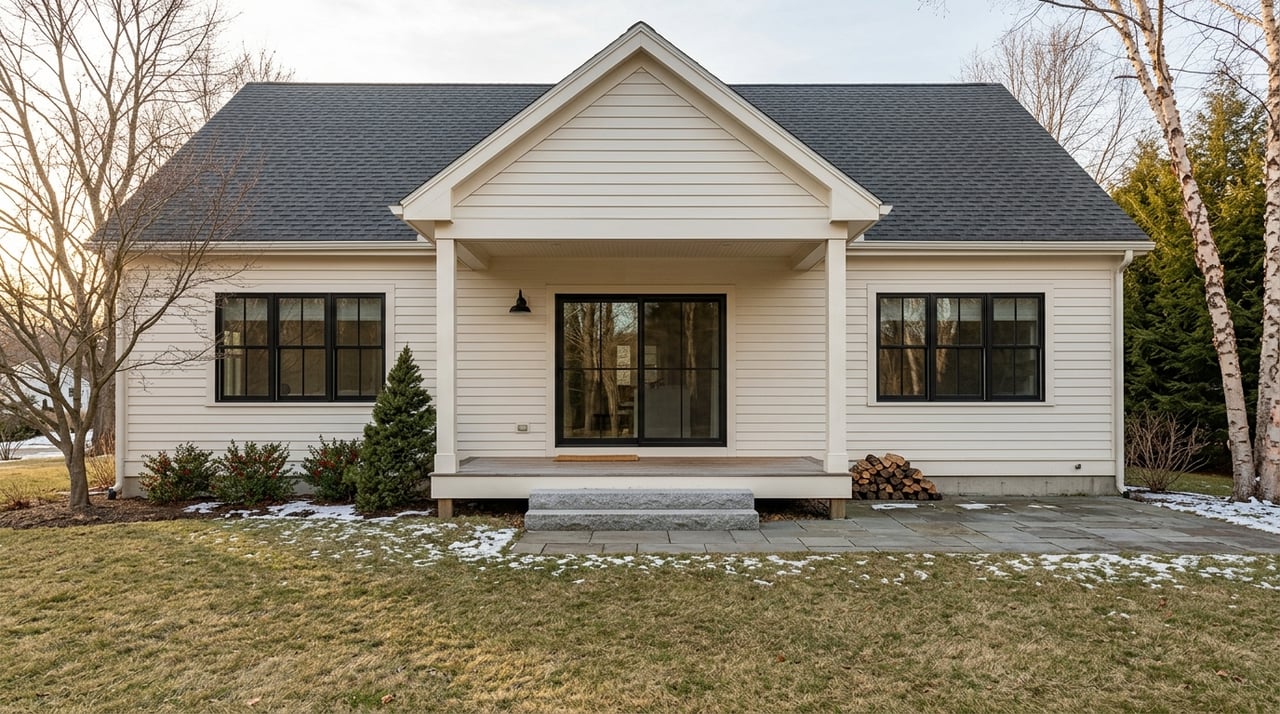
When you start browsing homes in Lyme, you will notice a clear pattern. The town’s housing stock is predominantly single-family detached homes, according to the master plan, and zoning has been designed mainly around single-family development, with some allowance for accessory dwelling units and certain multi-dwelling conversions.
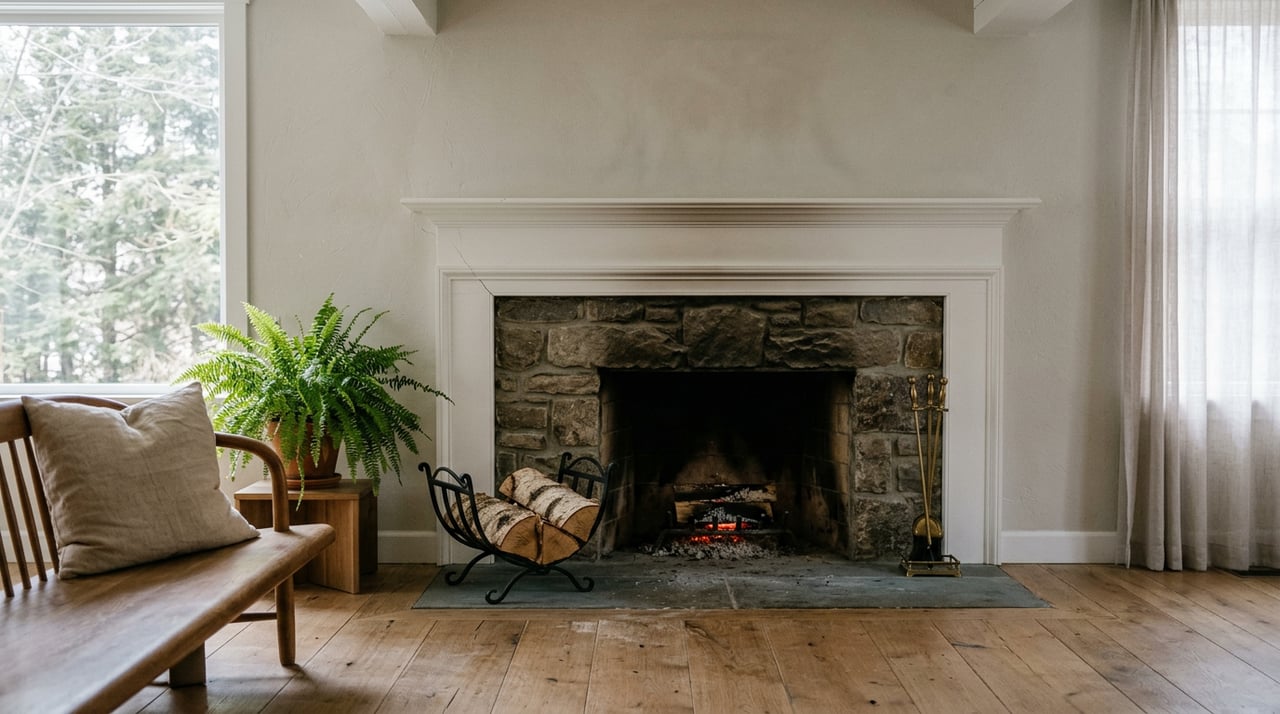
In practical terms, that means Lyme tends to appeal to buyers looking for space, privacy, and classic New England character. You are more likely to find detached homes with land, historic details, and a setting tied closely to the natural environment than dense housing or large-scale suburban development.
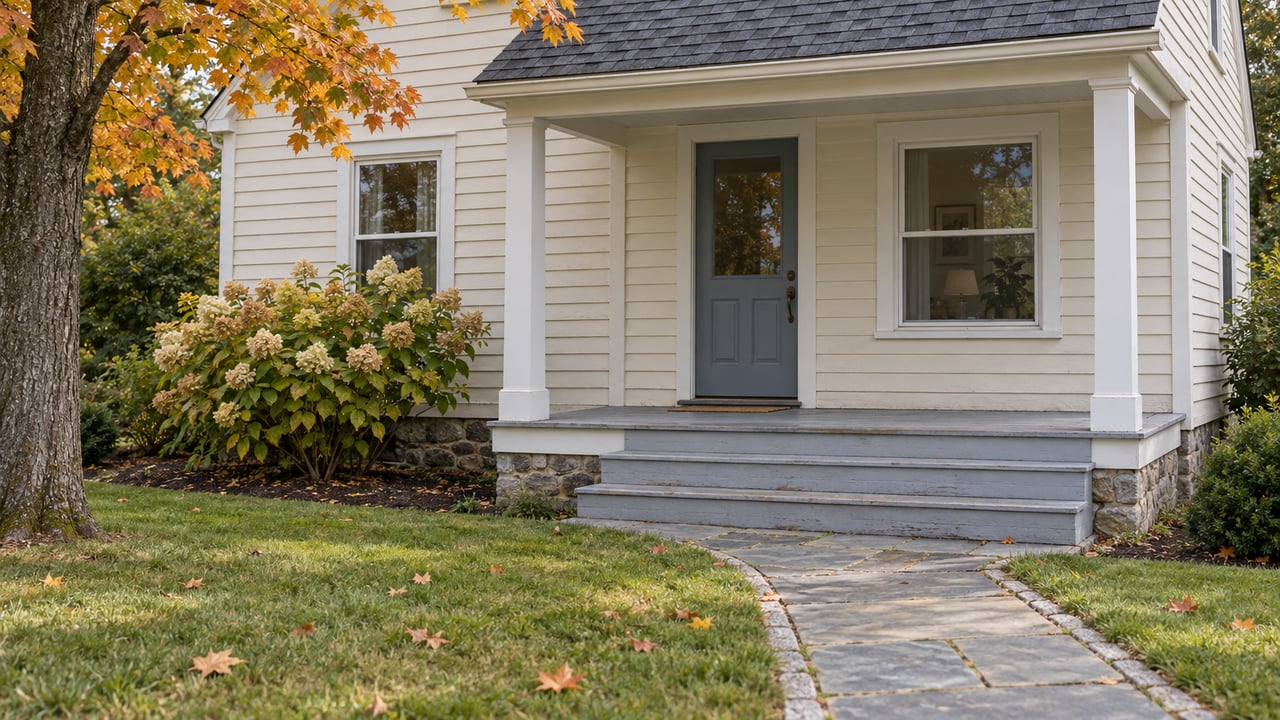
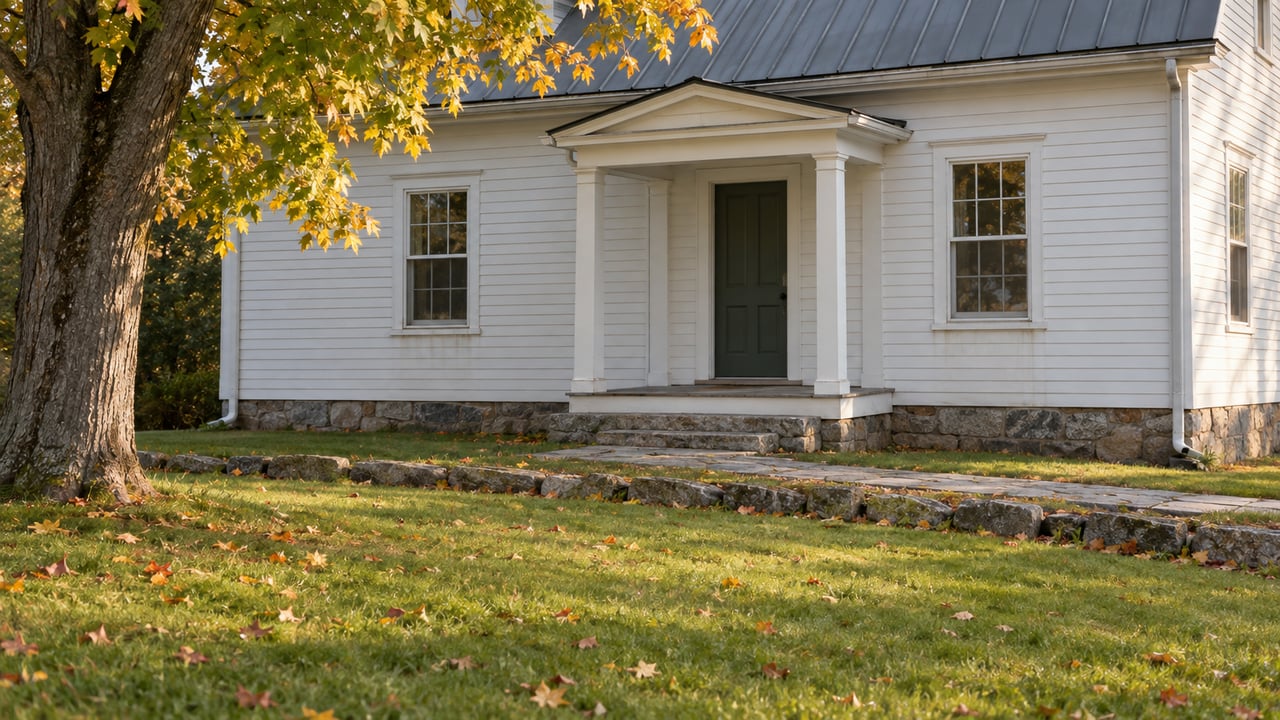
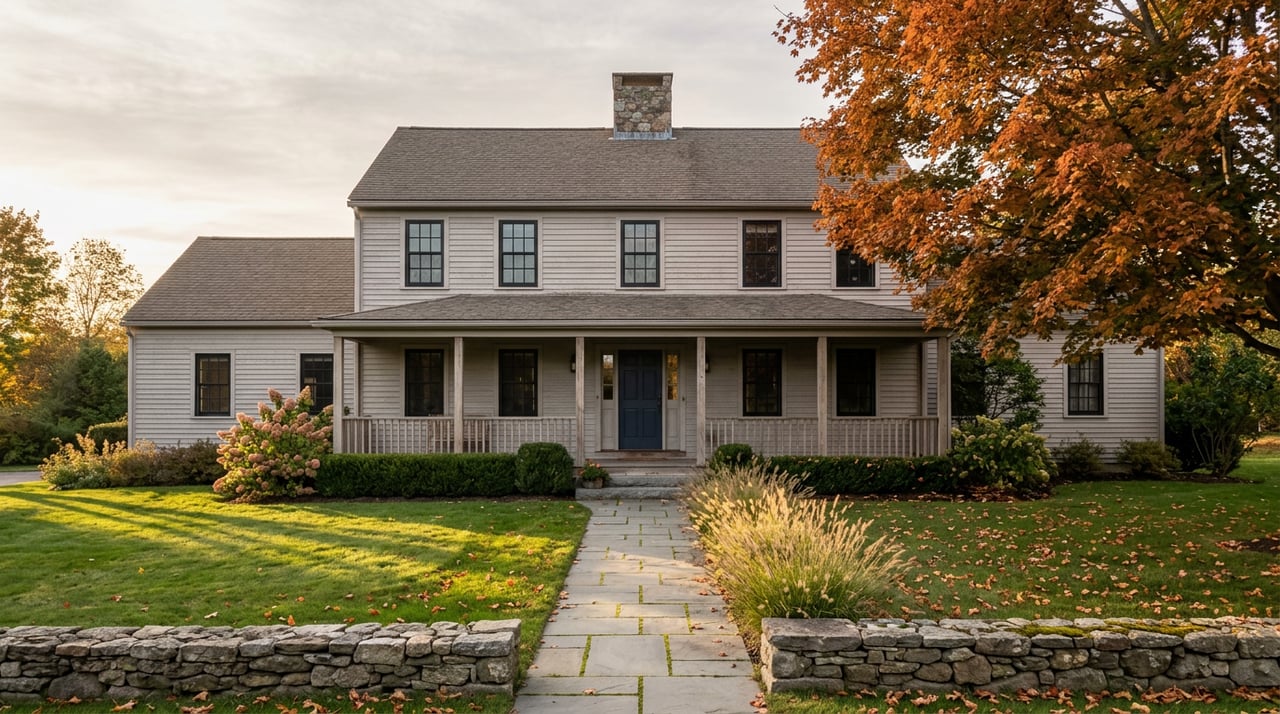
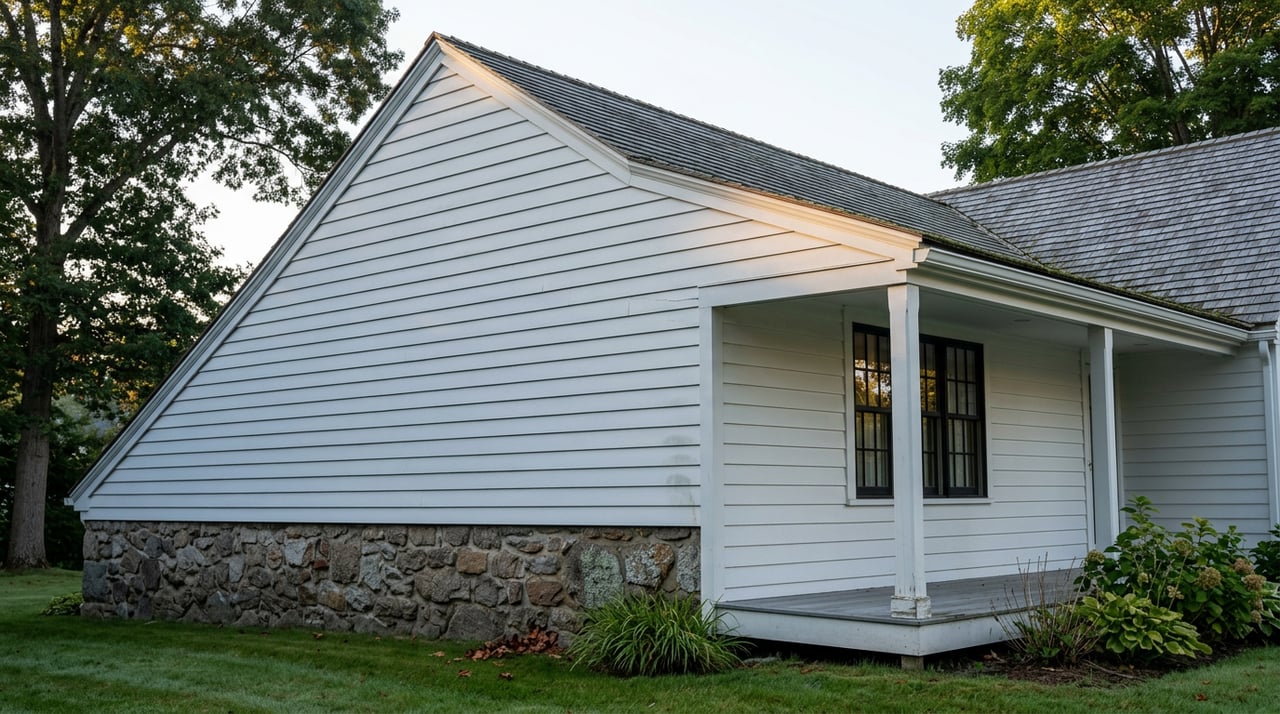
Lyme’s historic documentation gives a helpful picture of the housing character here. It references simple clapboarded capes, Federal-era houses, and Greek Revival-era village homes, especially around the Common.
Beyond the village center, descriptive categories that fit Lyme well include:
For many buyers, that blend is the draw. You can find homes that feel rooted in New England history, as well as properties that offer a more private, tucked-away setting.
In Lyme, home features often need to support daily life across changing seasons. The town has a significant share of gravel roads, and the town’s winter-driving guidance notes that surfaces can remain slippery even after plowing and that snow placement and parked vehicles can affect maintenance.
Because of that, buyers often pay close attention to how a property functions, not just how it looks. In a town like Lyme, practical features can make a real difference in comfort and ease of living.
If you are considering a move to Lyme, features like these may be especially helpful:
These details support the lifestyle many people come here for. If Lyme is your base for hiking, skiing, paddling, or simply enjoying a rural setting, the right house should make that lifestyle easier year-round.
Lyme can be a strong fit if you want a quieter pace without feeling isolated from the Upper Valley. Its location, outdoor access, and traditional village areas may appeal to buyers who value landscape, recreation, and a home with a sense of place.
It may also appeal to relocators who want to be part of the broader Upper Valley while living in a rural New Hampshire town. Lyme’s own materials describe the community as one where longtime residents and newer arrivals are both drawn by natural beauty and proximity to a wider cultural center.
If you are exploring homes in Lyme, it helps to think beyond square footage and finishes. A good home search here usually includes questions about road access, proximity to trails or water, village versus rural setting, and how a property supports your day-to-day routine through all four seasons.
You may also want to consider whether you are drawn more to the historic feel of the Common area or to a more secluded property outside the village center. Both offer something distinctive, and the right fit often comes down to how you want to live, not just where you want to sleep.
If you are thinking about buying or selling in Lyme or anywhere in the Upper Valley, Lori Shipulski can help you navigate the market with local insight, thoughtful guidance, and a lifestyle-first approach.
Stay up to date on the latest real estate trends.

Whether you’re ready to make a move or just starting to explore your options, I’m here to guide you every step of the way. Let’s chat about your goals, answer your questions, and create a clear path forward — no pressure, just honest support from someone who cares.
Get In Touch With Lori To Learn More
5 Allen St Ste 1 Hanover NH 03755