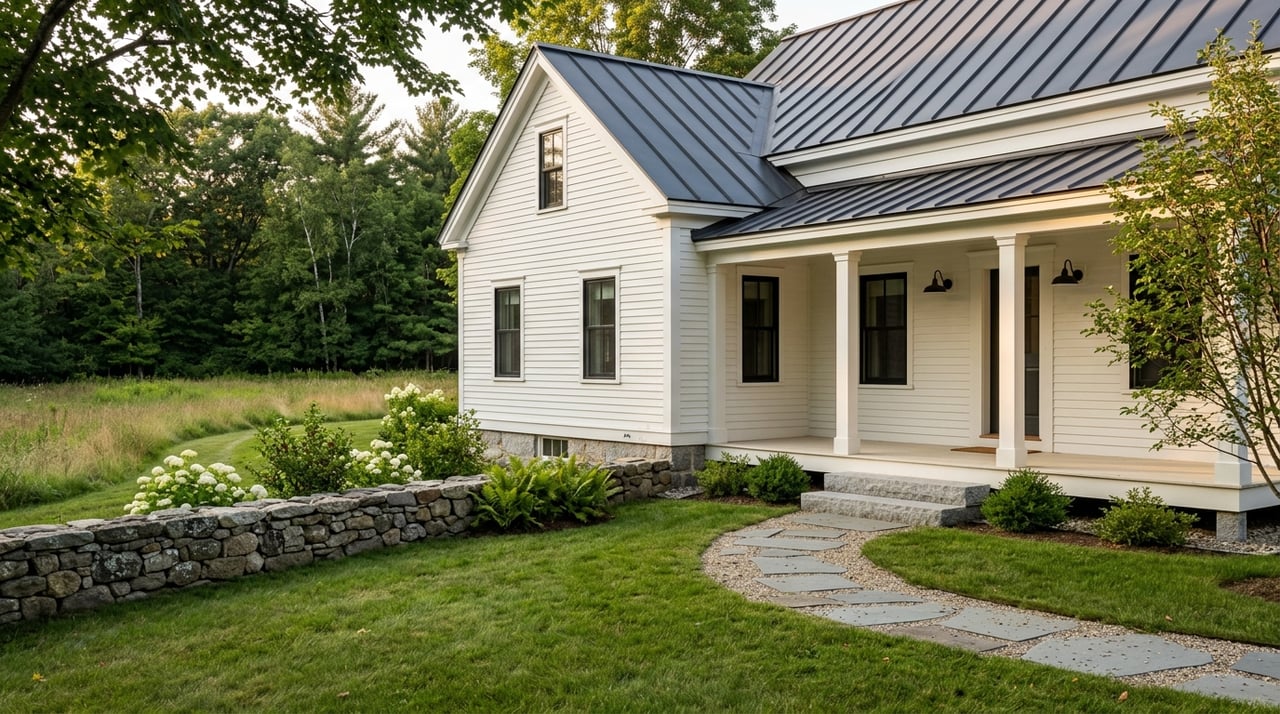
A Closer Look at Plainfield NH Country Living
May 21, 2026
May 21, 2026
If you picture country living as wide-open land, historic villages, and four true seasons, Plainfield may be exactly the kind of Upper Valley town you want to explore. At the same time, buying here takes more than falling in love with a farmhouse or a stretch of acreage. You need to understand how the town’s rural character, zoning, and landscape shape what daily life and future use can really look like. Let’s dive in.
Plainfield describes itself as a residential community that values its agricultural heritage and rural character. In practice, that means you will find a landscape shaped by villages, farmland, forest, waterways, and a strong local focus on preserving open space.
The town is organized around Plainfield Village, Meriden Village, and East Plainfield. It sits within the Connecticut River Valley and includes river bottom land, uplands, wetlands, and mountain areas, which gives the area a varied look and feel from one property to the next.
That variety is a big part of the appeal. One home might sit close to a village main street, while another could offer a longer driveway, larger lot, and a more secluded setting surrounded by woods or fields.
Plainfield’s built environment adds depth to its country-living appeal. The town notes that the Main Streets in Meriden and Plainfield villages are lined mostly with buildings from the 1800s and early 1900s, which gives these village centers a strong sense of continuity and place.
The town also has five National Register sites, including the Meriden Covered Bridge, Plainfield Town Hall, Meriden Town Hall, the Mother's and Daughter's Clubhouse, and the Blow-Me-Down Grange. For buyers, that historic backdrop can make everyday life feel more rooted and visually memorable.
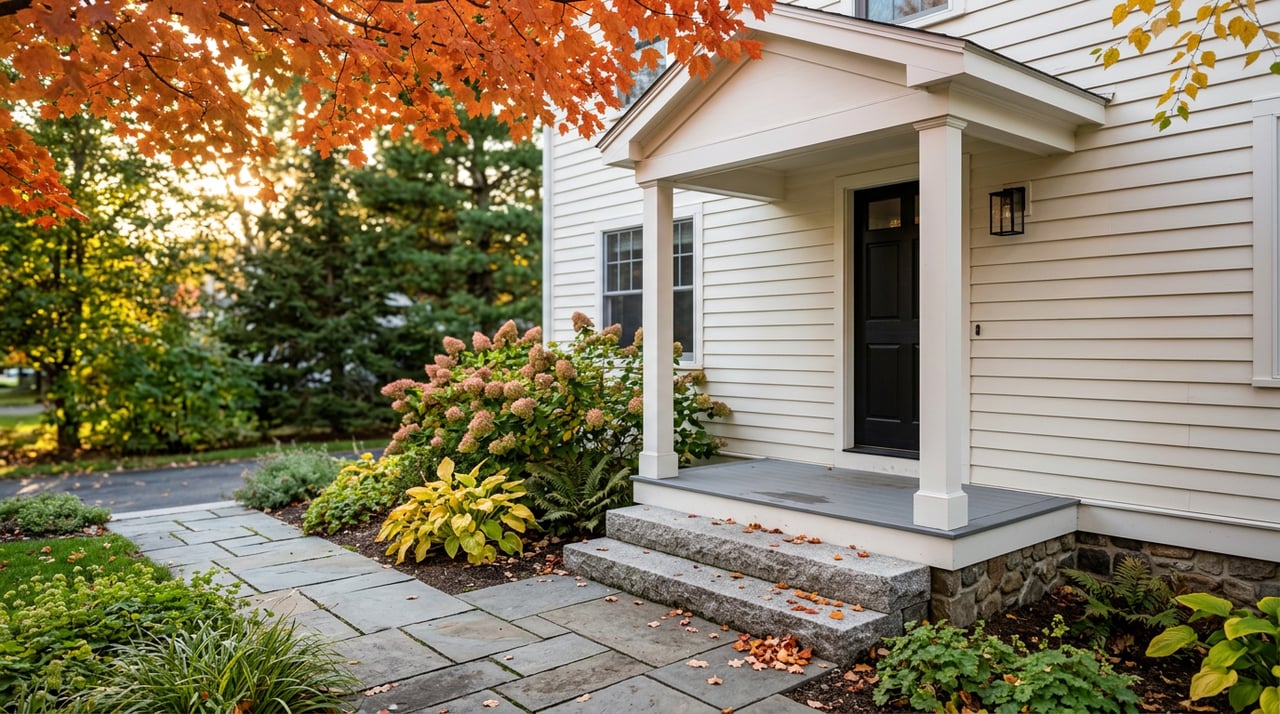
You also see that sense of continuity in the housing stock. According to the town’s housing chapter, Plainfield still includes old colonial farms and well-preserved older homes, along with newer large homes in the countryside.
If you are starting your search here, it helps to know that Plainfield is still primarily a single-family-home market. In the town’s 2010 Census-based master plan, single-family homes made up about 84.7% of the housing stock.
The age of the homes matters too. About 23% of the housing units were built before 1940, which means older homes are a meaningful part of the local inventory and may come with the charm, layout, and upkeep considerations you would expect from historic or early-era properties.
That mix creates a broad range of opportunities. You may find village homes on smaller lots, classic farmhouses with land, or newer country properties that offer more privacy and space.
For buyers interested in acreage, vacant land, or future building potential, zoning is one of the most important pieces to understand. In Plainfield, lot size requirements vary significantly by district, and that directly affects what kind of property may fit your goals.
In the Village Residential district, lots can be as small as 20,000 square feet when public water and sewer are available. This district is intended to form a residential nucleus, which supports a more compact village pattern.
Outside the village setting, the required lot sizes become much larger. Rural Residential requires 3.5 acres, Rural Conservation I requires 7 acres, and Rural Conservation II requires 15 acres.
These standards reflect the town’s broader goal of keeping density low and preserving rural character. So if you are drawn to Plainfield because it feels spacious and quiet, that quality is not accidental. It is built into the town’s planning framework.
One of the biggest mistakes land buyers can make is assuming that more acreage automatically means more buildable area. In Plainfield, environmental overlays can limit where building is allowed, even on a large parcel.
The zoning ordinance includes a Water Resources Conservation Overlay District with a 50-foot buffer around wetlands, water bodies, and perennial streams. There are also shoreland and floodplain overlays that can further affect how a parcel can be used.
That means the usable portion of a lot may be smaller than the total acreage suggests. If you are considering land in Plainfield, it is smart to look closely at wetlands, frontage, setbacks, and overlay impacts before making assumptions about home sites, outbuildings, or future plans.
Another reason Plainfield feels like country living is that commercial development is intentionally constrained. The town’s economic-base chapter says zoning was modified to restrict commercial development to properties within 500 feet of a state highway.
The master plan also emphasizes village centers and the Route 12A and Route 120 corridors rather than scattered commercial growth. For residents, that can translate into a landscape where homes, open land, and village areas remain the dominant visual experience.
If you are relocating from a more suburban or built-up market, this is an important point. Plainfield offers a managed rural setting, not fast-moving sprawl.
Country living in Plainfield is not only about what sits on your lot line. It is also about how the surrounding landscape supports outdoor recreation and seasonal routines.
Open space is central to the town’s identity. Plainfield reports that nearly 1,700 acres are protected by conservation easements, and in the 2006 master-plan survey, 96% of respondents said protecting natural resources was important.
The town’s recreation profile is built around land, water, snow, and ice rather than large municipal facilities. Plainfield has 75 maintained roads plus numerous Class VI roads used by hikers, cyclists, snowmobilers, cross-country skiers, runners, and horseback riders.
Named places help define the lifestyle. French's Ledges offers a short hike with views over Meriden Village, and other local outdoor destinations include Snow Mountain, Burnap's Island, the Connecticut River corridor, and the Helen Woodruff Smith Bird Sanctuary.
While outdoor access is a major draw, it is important to understand that not every trail, woods road, or scenic route functions like a public all-weather road. The town notes that many trails lie on private land and are not formally maintained.
Some discontinued roads are still used recreationally, but that does not necessarily mean they provide legal public access. For buyers, this matters when evaluating a property’s recreation potential, access expectations, and long-term use.
In other words, the lifestyle here is real, but it is also practical. A beautiful rural property may need closer review of road frontage, maintenance realities, and access details than a home in a more conventional subdivision.
Plainfield follows the colder seasonal rhythm many buyers expect in the Upper Valley. NOAA normals for nearby Lebanon Municipal Airport show a January mean daily temperature of 19.8°F, a July mean daily temperature of 70.3°F, and annual precipitation of 38.07 inches.
That seasonal pattern supports the local recreation profile. Winter brings snowmobiling, cross-country skiing, and snowshoeing, while spring and fall are well suited to hiking, paddling, birding, and scenic outings.
If you are thinking about a move here, seasonality should be part of your planning. A long driveway, a hillside setting, or a rural road can feel very different in January than it does on a sunny day in July.
The most current townwide sentiment available from the 2025 Master Plan Survey still leans rural. Respondents were asked to weigh options for the town’s future, and the preference remained focused on keeping Plainfield rural with large areas of forest and farmland.
At the same time, open-ended comments raised concerns about housing availability, affordability, and the balance between preserving rural character and adding homes. That tension is common in desirable rural markets, and it is part of the context buyers should understand.
The big takeaway is simple. Plainfield offers genuine country living, but it is a managed rural landscape shaped by historic character, conservation-minded zoning, and strong local interest in open space preservation.
If you are considering a home or land purchase here, clarity matters. Start by defining whether you want village convenience, a classic farmhouse setting, or larger acreage with more privacy.
From there, look beyond the listing photos. Pay attention to zoning district, lot size requirements, road frontage, environmental overlays, and the realities of seasonal access and maintenance.
That kind of preparation can help you make a more confident decision and avoid surprises. In a town like Plainfield, the best opportunities often come from matching the property not just to your budget, but to your day-to-day lifestyle and long-term plans.
If you want help exploring homes, land, or rural lifestyle opportunities in Plainfield and the Upper Valley, Lori Shipulski offers local guidance, thoughtful buyer support, and the kind of on-the-ground perspective that helps you evaluate more than just the listing.
Stay up to date on the latest real estate trends.

Whether you’re ready to make a move or just starting to explore your options, I’m here to guide you every step of the way. Let’s chat about your goals, answer your questions, and create a clear path forward — no pressure, just honest support from someone who cares.
Get In Touch With Lori To Learn More
5 Allen St Ste 1 Hanover NH 03755