Guide to Selling Land and Rural Homes in Cornish NH
April 2, 2026
April 2, 2026
Thinking about selling land or a rural home in Cornish, NH? You are not just putting acreage or a house on the market. You are selling access, setting, and a property story that may include woods, fields, road frontage, outbuildings, private utilities, or current-use status. If you want a smoother sale and stronger buyer interest, it helps to understand what makes rural properties different in Cornish. Let’s dive in.
Cornish has a distinctly rural identity, and local planning materials emphasize protecting the town’s rural character, natural environment, and working landscape. That matters when you sell because buyers often care about how a property can be used, not just how it looks.
The town’s zoning materials identify Village, Residential, and Rural districts, with minimum lot sizes of 1 acre, 2 acres, and 5 acres respectively. Cornish also requires a permit or certificate of compliance before changing the use of a lot or erecting a structure, which can affect how buyers evaluate future plans for the property. You can review town information and local documents through the Cornish municipal website.
Rural pricing is rarely one-size-fits-all. In Cornish, recent sold listings have ranged from smaller homes on 1.43-acre and 2.41-acre parcels to much larger properties on 13.67, 21.23, 49.7, and even 126 acres.
That wide range is a good reminder that two properties can seem similar at first glance but differ greatly in value. Acreage, access, road frontage, outbuildings, topography, utility setup, and permitted use can all shape price. As of January 31, 2026, Cornish’s Zillow Home Value Index was reported at $422,760, but that number is only broad context and not a substitute for a property-specific pricing strategy.
Countywide conditions also matter. In December 2025, Sullivan County was described as a seller’s market, with a median 83 days on market and homes selling for about asking price on average, according to Realtor.com’s Sullivan County market overview. That said, rural properties can still take longer or shorter depending on documentation, usability, and presentation.
Raw land buyers often ask a different set of questions than homebuyers. They want to understand what the parcel is, how it can be accessed, and what may affect future use.
In Cornish, that means your listing should go beyond acreage alone. Buyers may want clarity around zoning district, road frontage, access points, utility availability, wetlands, floodplain concerns, and whether there are streams or wet areas that deserve closer review.
Large parcels often do not show well in standard ground-level photos. The National Association of Realtors notes that aerial imagery can better show acreage, parcel shape, views, and surrounding context, which is especially useful for land. Their guidance on drones and real estate marketing supports the value of visuals that help buyers understand the full property.
For a Cornish land listing, the strongest marketing package often includes:
If your land is enrolled in current use, that needs careful attention before you list. Under New Hampshire law, land can remain in current use after a transfer if it still qualifies, but changing land to a non-qualifying use can trigger a land use change tax equal to 10% of the full and true value of the land that no longer qualifies.
That is a big issue for both sellers and buyers because it can affect how a property is marketed and what a buyer expects to do with it. The New Hampshire current use criteria booklet is an important reference, and Cornish’s local assessing materials also flag current use as a local topic.
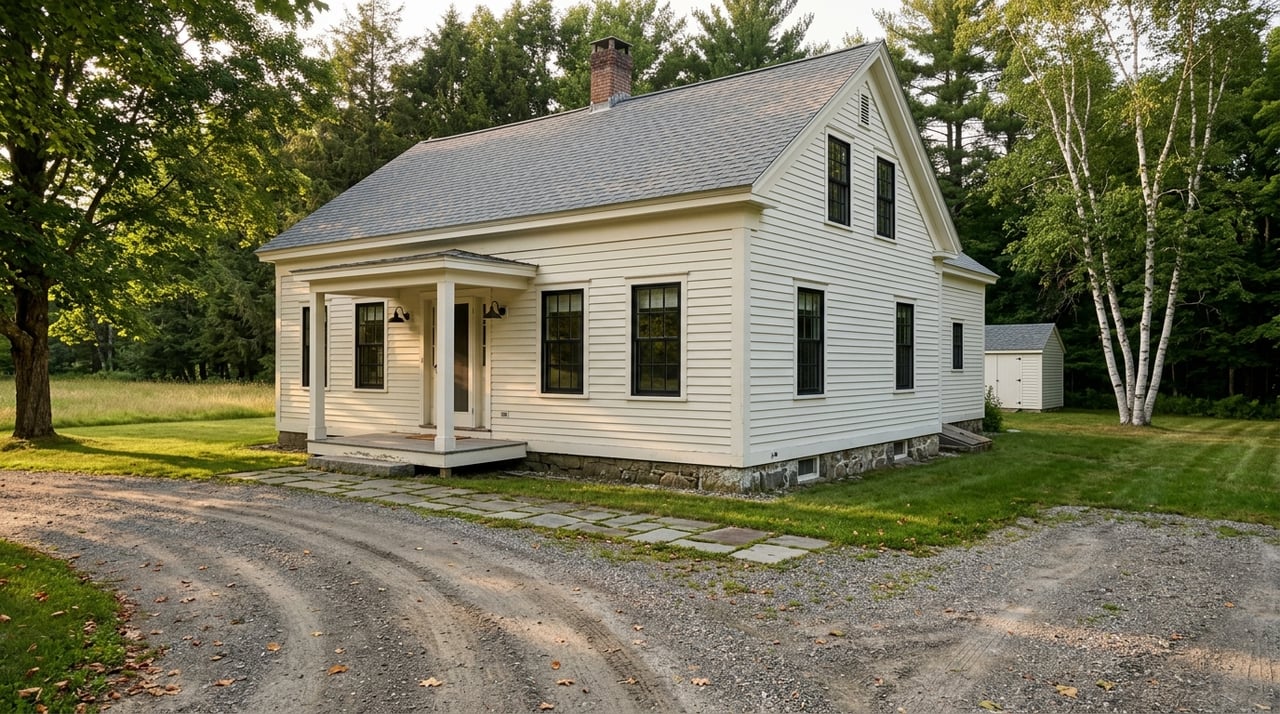
When you sell a rural home in Cornish, you are marketing both the residence and the land around it. Buyers may care just as much about the driveway, barn, porch, trails, pasture, or wooded setting as they do about the kitchen or living room.
The National Association of Realtors recommends marketing homes through the MLS and other online channels with professional photography, edited images, and virtual tours. Their consumer guidance on home selling also reinforces how much presentation matters.
In a rural setting, exterior presentation carries extra weight. The approach to the property, the condition of the driveway, the look of outbuildings, and overall landscape maintenance can influence buyer interest before they even step inside.
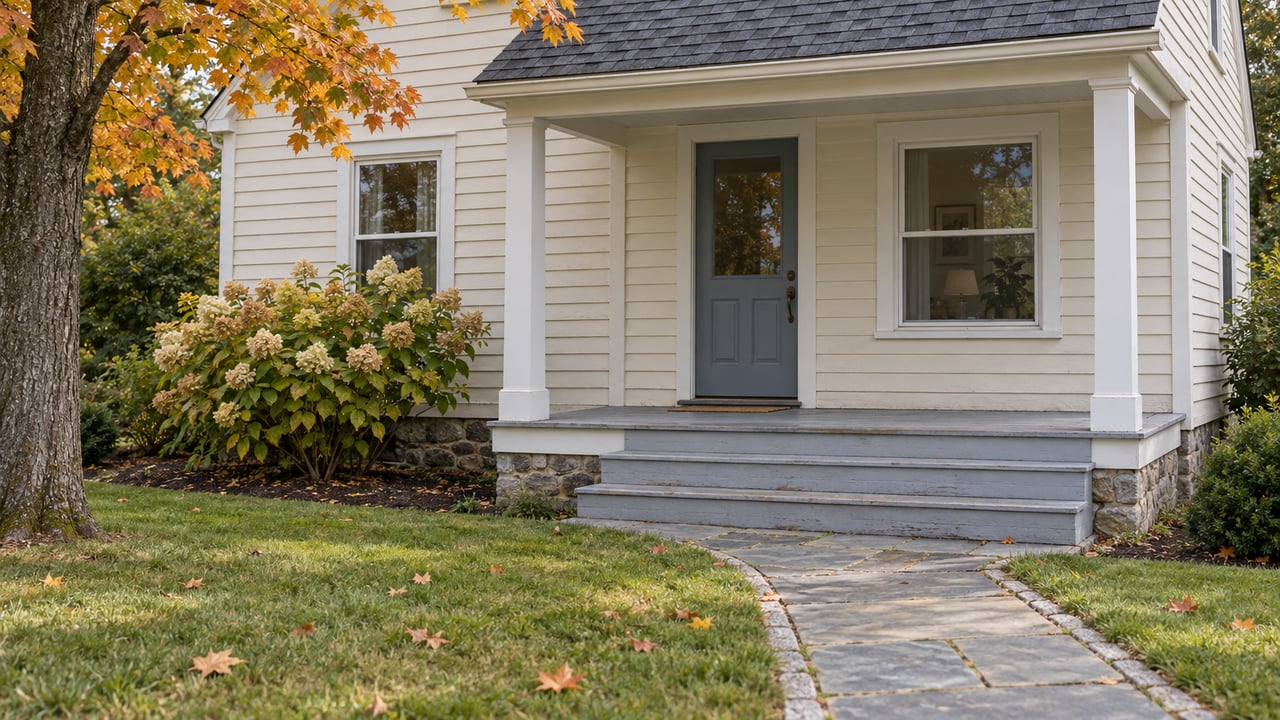
That does not mean over-improving everything. It means making the property feel cared for, accessible, and easy to understand. Clean up outdoor storage areas, define parking and walking paths, and make sure barns, sheds, and porches feel safe and presentable.
Cornish buyers are often not just shopping for square footage. They may be comparing a property based on privacy, woods, open land, trails, hobby-farm potential, or future buildability.
That is why listing copy matters. A good rural listing should translate acreage into practical value, such as usable pasture, recreational trail access, outbuilding flexibility, or a peaceful setting with room to spread out. This kind of narrative fits Cornish’s rural planning priorities and helps buyers connect the land to a lifestyle.
One of the smartest things you can do before listing is gather your paperwork early. Rural homes often involve more property-specific questions, and delays usually happen when documents are missing or unclear.
For homes with a building, New Hampshire law requires written disclosure of private water supply, sewage disposal, insulation, and flood hazard information before or during offer preparation. The state also requires notification related to radon, arsenic, lead, PFAS, and flood risk. You can review the legal requirements in RSA 477:4-c.
If your home was built before 1978, federal law also requires lead-based paint disclosure. That includes sharing available records, providing a lead hazard pamphlet, including a warning statement, and allowing a 10-day opportunity for testing.
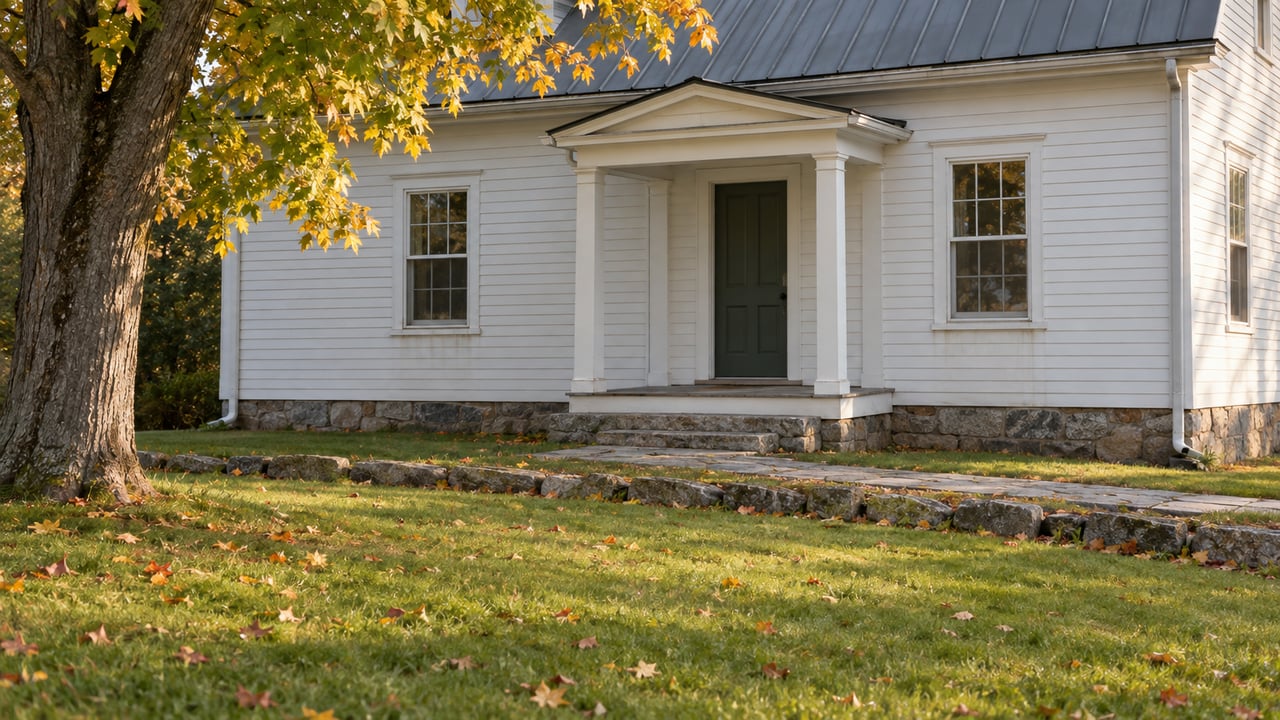
Older farmhouses and historic homes can be especially likely to fall into this category, so it is best to prepare those materials in advance.
Private well information is especially important in New Hampshire. The New Hampshire Department of Environmental Services recommends testing private wells for contaminants that can include arsenic, bacteria, lead, nitrate/nitrite, radon, and PFAS, and it notes that homeowners are responsible for testing and treatment if needed. Their private well testing guidance is a useful resource.
If your property uses a private well, updated records can help buyers feel more confident. Even when testing is not legally required for listing, having recent information can support smoother negotiations.
Cornish sellers should also pay attention to local permits and approvals tied to the property. The Select Board materials list building permits, septic dig applications, subdivision applications, and intent-to-cut timber applications among the local items that may be relevant for rural properties.
If you have completed work on the property, subdivided land, installed septic components, or managed timber, gather those records before going live. Buyers often move forward with more confidence when they can review a clearer paper trail.
Many sellers focus on price and timing, but closing costs should be part of the conversation early on. In New Hampshire, the real estate transfer tax is $0.75 per $100 of consideration, and it requires declarations from both purchaser and seller under RSA 78-B:1.
Property taxes are also part of buyer due diligence. Cornish’s estimated 2026 total property tax rate is $18.37 per $1,000 of valuation, according to local town materials. While tax bills can change over time, buyers often ask about this early, so it helps to be ready.
If you are selling in Cornish, patience and preparation both matter. Countywide, the median days on market in Sullivan County was 83 in December 2025, but rural property timelines can vary quite a bit depending on parcel quality, access, documentation, and pricing.
A well-prepared listing can save time. When buyers can quickly understand zoning context, current-use status, utility setup, and the property’s physical layout, they are more likely to make informed decisions without unnecessary back-and-forth.
Selling land or a rural home in Cornish calls for more than a standard listing approach. You want an agent who understands the town’s zoning framework, rural disclosures, current-use questions, and the permit-related details that often come up with larger or more complex properties.
You also want a marketing plan that fits the property. The strongest rural listings often combine professional photography, narrative-driven presentation, aerial imagery for land, and virtual tours when a home is involved. Cornish properties deserve marketing that explains both the structure and the setting.
That is where a local, full-service strategy can make a real difference. With premium presentation, thoughtful storytelling, and hands-on guidance through pricing, disclosures, and negotiations, you can position your property more clearly for the right buyer.
If you are thinking about selling land or a rural home in Cornish, working with Lori Shipulski can help you build a smart plan from pricing through closing, with local insight and polished marketing designed for Upper Valley properties.
Stay up to date on the latest real estate trends.

Whether you’re ready to make a move or just starting to explore your options, I’m here to guide you every step of the way. Let’s chat about your goals, answer your questions, and create a clear path forward — no pressure, just honest support from someone who cares.
Get In Touch With Lori To Learn More

5 Allen St Ste 1 Hanover NH 03755